
Homeowners often hear the terms building shifting and building lifting, especially when dealing with structural issues or planning major renovations. Although both services may sound similar, they serve completely different purposes. Understanding the difference is crucial because choosing the wrong method can lead to unnecessary expenses, safety concerns, and long project timelines.
In this detailed blog, we explain the difference between building shifting and building lifting, how each works, when you need them, and what benefits they provide. This guide will help you make the right decision for your home’s safety, stability, and long-term value.
What Is Building Lifting?
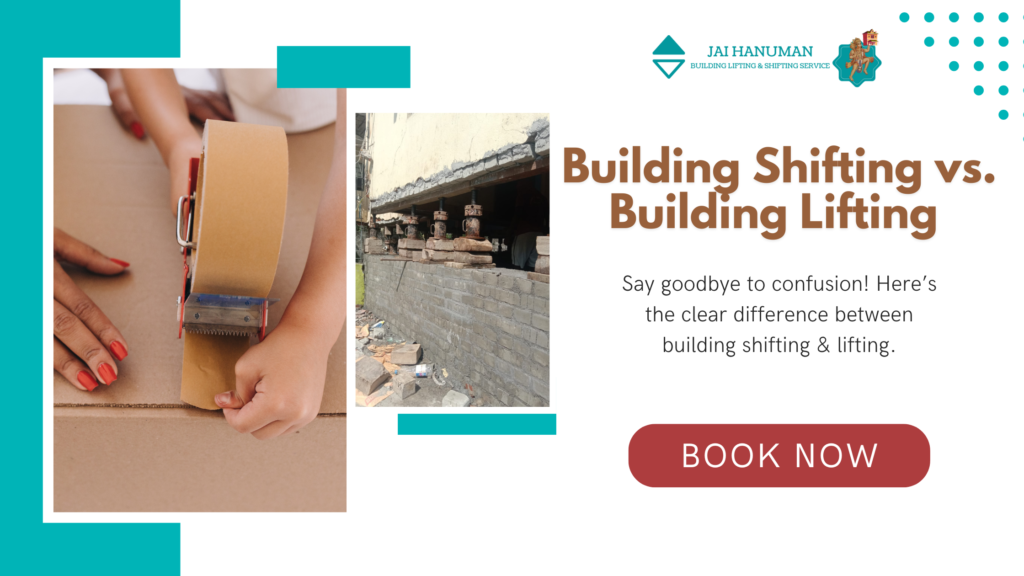
Building lifting is the process of raising an entire structure vertically using hydraulic jacks and advanced lifting tools. The building remains in the same location; only its height is increased. Homeowners typically choose building lifting when they want to protect the property from floods, increase the plinth height, build a new foundation, or add underground space.
Why People Choose Building Lifting
Many houses in low-lying areas face yearly flooding. Others develop foundation problems due to weak soil conditions. Building lifting helps resolve these issues without demolishing and rebuilding the entire home. It is a cost-effective and safe method used worldwide to preserve existing structures while still updating the foundation or increasing elevation.
During the procedure, the structure is lifted evenly from all sides using synchronized hydraulic jacks. This ensures there is no tilt, crack, or structural imbalance. Once the building reaches the desired height, a new and stronger foundation layer is constructed below it.
Building lifting is often preferred because it saves time, reduces construction waste, and retains the original architecture of the building.
What Is Building Shifting?
Building shifting involves moving a structure horizontally from its original position to a new location. The building remains on the same property, but its physical placement changes. Some people shift their homes backward, forward, or sideways depending on land usage, road expansion, or safety requirements.
Why People Choose Building Shifting
There are many reasons why homeowners need building shifting, including:
- Government road-widening projects
- Moving the house to a safer part of the property
- Creating additional space for parking or construction
- Adjusting the building’s orientation
- Avoiding demolition and rebuilding
Instead of tearing down a home, building shifting allows people to preserve the structure and relocate it safely. It involves lifting the structure slightly, placing it on rollers or specially designed plates, and slowly shifting it using controlled movement systems.
This approach is widely used for temples, old houses, and heritage buildings that hold sentimental or cultural value.
Key Differences Between Building Shifting & Building Lifting
Although both techniques involve structural movement, the purpose, method, and outcome are very different. Below are the major differences you should know.
1. Purpose of the Process
- Building lifting increases the vertical height of a structure.
- Building shifting relocates the structure horizontally.
If the objective is to avoid water-logging or strengthen the foundation, building lifting is the correct choice. But if the building’s position is the issue—such as alignment or land usage—then building shifting is ideal.
2. Direction of Movement
This is the most important difference.
- With building lifting, the structure only moves upwards.
- With building shifting, the structure moves sideways.
Homeowners should evaluate their needs clearly before deciding between these two methods.
3. Type of Equipment Used
Both processes use advanced hydraulic jacks, but building shifting requires additional tools such as:
- Rollers
- Rail-like tracks
- Sliding plates
- Horizontal push-pull systems
Building lifting, on the other hand, focuses mainly on vertical jack systems that are synchronized to ensure uniform elevation.
- Project Duration he time required depends on the building size, condition, and complexity:
- Building lifting often takes less time because the movement is vertical and controlled.
- Building shifting can take longer since horizontal movement must be done slowly and cautiously.
In both cases, experienced technicians ensure safety throughout the project.
5. Complexity Level
Building shifting is generally more complex because shifting a structure horizontally requires precise alignment and constant monitoring to avoid tilting.
Building lifting is also complex, but vertical lifting is comparatively easier than horizontal shifting due to uniform pressure distribution.
When Should You Choose Building Lifting?
You should consider building lifting in the following situations:
✔ Frequent Water Logging
Houses in flood-prone areas face yearly damage. Building lifting increases the height of the structure, preventing future water entry.
✔ Replacing an Old or Weak Foundation
If your building shows cracks, sinking, or uneven floors, lifting helps rebuild a stronger foundation without demolishing the home.
✔ Creating Additional Space
Many homeowners choose building lifting to add a new floor below the existing one or increase storage space.
✔ Protecting Heritage Structures
For culturally valuable buildings, building lifting is the safest way to strengthen the structure while keeping the original design intact.
When Should You Choose Building Shifting?
You should choose building shifting in these situations:
✔ Road Widening Projects
If the government expands a road and your house is too close to it, building shifting can move your structure safely inside your compound.
✔ Unsafe Building Position
When a home sits on unstable soil or an accident-prone corner, shifting it to a safer area prevents future risk.
✔ Reorganizing Land Usage
Some homeowners shift their building to create parking space, garden area, or space for additional rooms.
✔ Temple or Heritage Structure Preservation
Old temples or cultural buildings are often shifted rather than demolished to preserve their historical importance.
Safety Considerations for Both Methods
Whether you choose building shifting or building lifting, professional expertise is essential. These procedures require precise calculation, strong technical knowledge, and advanced equipment.
Safety Checklist
- Choose a contractor with proven experience
- Check if they use synchronized hydraulic jacks
- Make sure they offer insurance coverage
- Verify their track record for both building lifting and building shifting
- Ask for detailed project planning and safety measures
Using low-quality service can lead to cracks, structural imbalance, or even collapse. Therefore, always hire certified professionals.
Which Option Is More Affordable?
Both services vary in cost depending on:
- Building size
- Foundation condition
- Soil strength
- Distance of movement
- Material usage
- Manpower and equipment
Usually, building lifting is slightly more affordable because the movement is vertical. Building shifting becomes more expensive due to the complex horizontal relocation process.
Still, both are much cheaper than demolishing and rebuilding a house from scratch.
Benefits of Building Lifting
Choosing building lifting provides many long-term advantages:
- Protects property from flooding
- Strengthens the foundation
- Improves structural stability
- Saves money compared to reconstruction
- Preserves original architecture
- Creates space for new construction
Building shifting offers unique benefits such as:
- Moves the structure to a safer location
- Maintains the original building without demolition
- Allows land reorganization
- Supports government road expansion projects
- Preserves heritage buildings
Conclusion: Building Shifting vs. Building Lifting – Which Is Right for You?
The choice between building shifting and building lifting depends entirely on your problem and your long-term goals. If your house is structurally strong but placed in the wrong position, building shifting is the best solution. If the issue is with height, flooding, or foundation strength, building lifting is the ideal option.
Both techniques help homeowners save money, protect their property, and avoid the stress of complete reconstruction. With the right experts and advanced technology, these processes are safe, efficient, and highly effective.